
A Teen’s ME/CFS Recovery Story: From Surviving to Thriving
At a time when life was supposed to expand, Poppy’s world shrunk to her bed. As an 18-year-old college student, she began feeling exhausted. By 19, fatigue, weakness, insomnia, pain and brain fog escalated into a full blown ME/CFS crash.
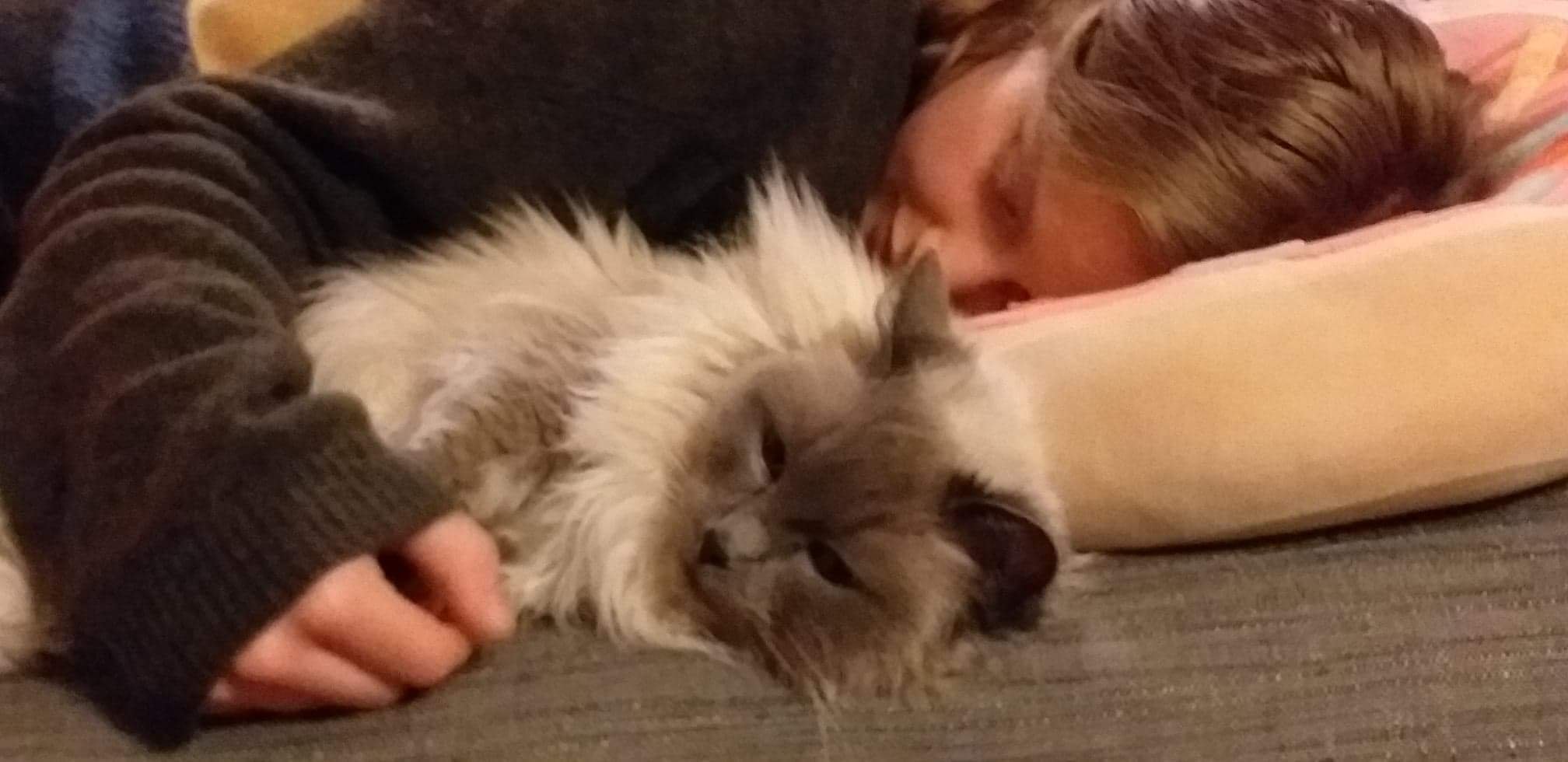
Poppy struggled to talk, walk or care for herself. Noise, stimulation, and sitting up were overwhelming.
The former competitive cyclist had to stow her bike and drop out of university. She moved back in with her family in Nottinghamshire. There, Poppy’s life became confined to the house—usually her bed or the couch. Walking to the bathroom felt like a mile.
The teen only got outside when her mum pushed her around the block in a wheelchair. She didn’t have the strength to hold up her head, so they propped it on a cushion.
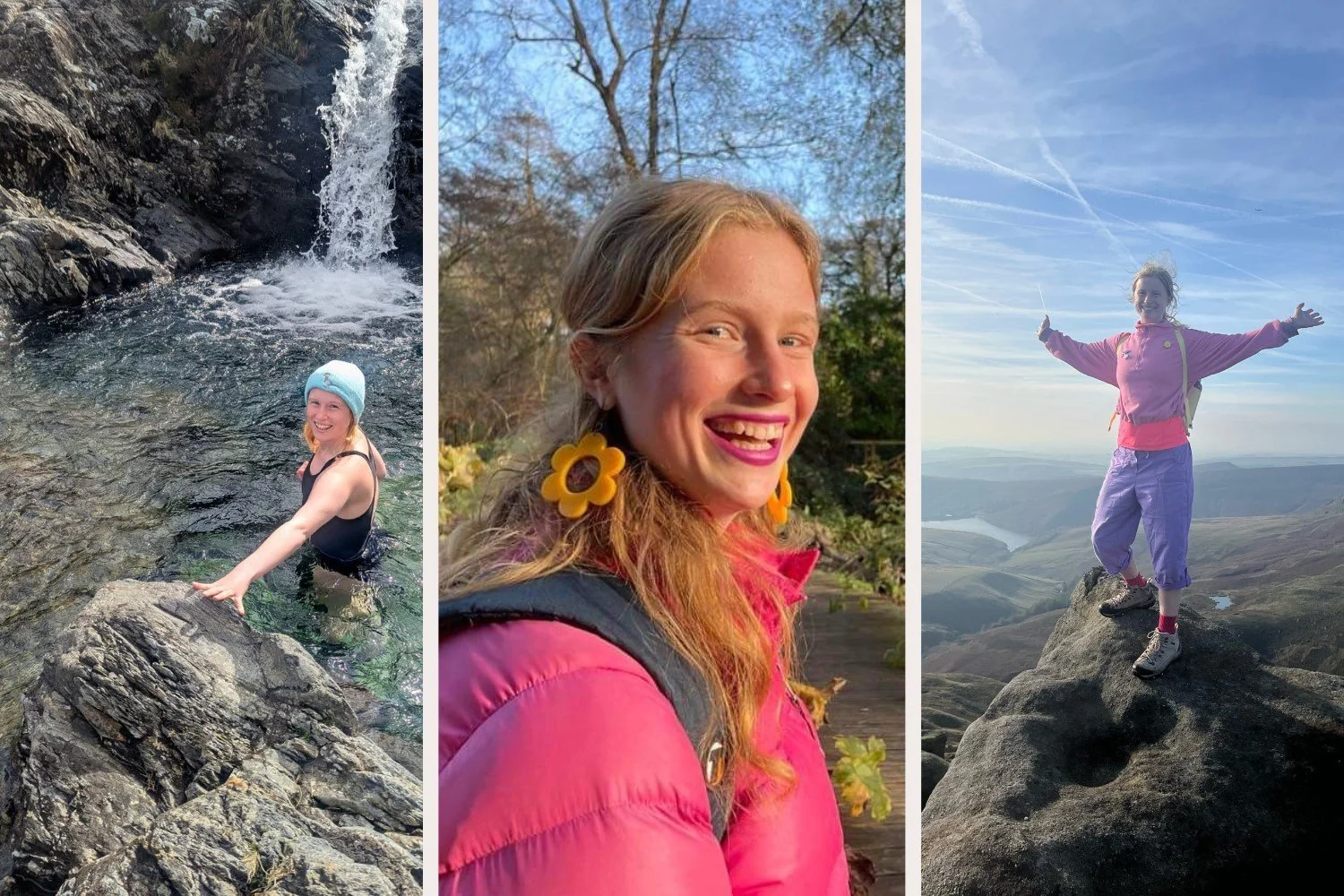
And today? The young UK woman climbs mountains, hikes with friends, and runs a nature-inspired business. If you’re dealing with ME/CFS, Long Covid or other neuroplastic symptoms, Poppy’s story will give you hope!
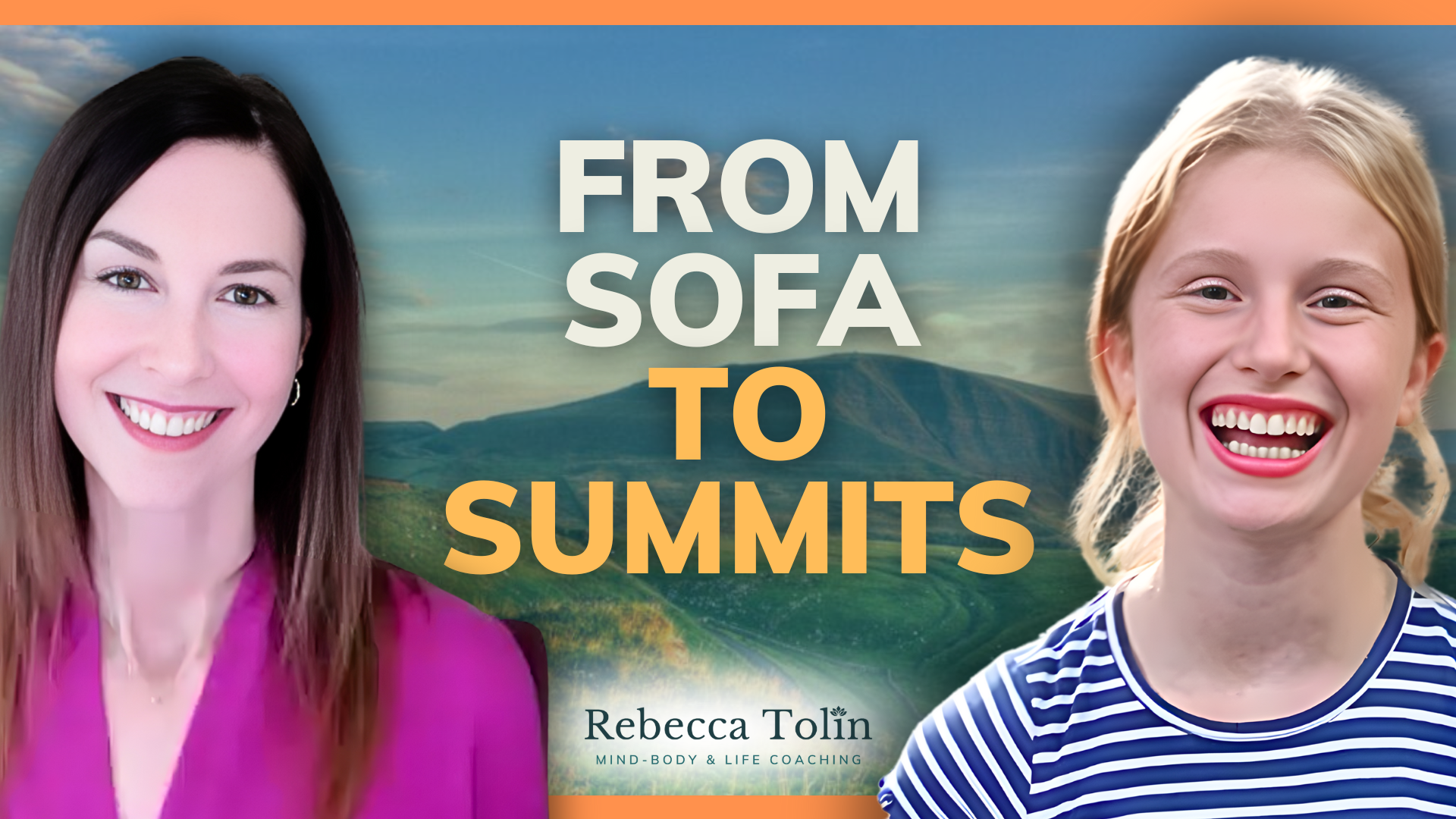
WATCH POPPY’S RECOVERY STORY TO LEARN:
🪷 How she went from being bedbound to climbing mountains
🪷 What turning point led to Poppy’s recovery
🪷 Why science, somatic practices and self-compassion were key
Searching for relief from chronic fatigue syndrome
Naturally, Poppy tried to find a remedy in the healthcare system. Like many people with ME/CFS, she heard a familiar refrain from doctors: You’ll have to manage your condition for life. As a teen on the brink of adulthood, Poppy feared she’d never realize her potential.
When medicine, diets, and holistic therapies failed, she tried two brain retraining programs: the Gupta Program and CFS School (now called HEAL). Both offered hope, but they didn’t change her day-to-day reality. At best, she could “bumble around my house a little bit.”
Poppy becomes bedbound with Chronic Fatigue Syndrome (ME/CFS)
By the time Poppy found my work, she’d suffered with chronic fatigue syndrome for two years.
Neuroplastic symptoms and the nervous system
Poppy joined the Be Your Own Medicine program in Fall 2022. I remember her awe at discovering how neural pathways in the brain can keep someone sick. Poppy learned that the brain’s danger alarm can get stuck on overdrive, but it can also get unstuck. She lit up at the prospect that she could recover.
Even though her symptoms were debilitating, doctors couldn’t identify a pathological cause. Even as her body felt fragile, Poppy began to realize that she wasn’t broken.
As I shared with Poppy in the course, neuroscience shows that both physical and emotional stressors activate the same parts of the brain. A hypervigilant nervous system can perpetuate chronic conditions. This includes everything from Long Covid to POTS, bloating to bladder pain, as long as there’s no disease process to explain them.
“This light switch clicked in my brain, and everything fell into place,” recalls Poppy. “I could go out and do things I hadn't done for over 2 years. I could be in the world, do things that really excited me and brought me joy. It was just such an exciting and joyful time!”
For Poppy, this wasn’t about ‘thinking positive’ or muscling her way through. It was about changing her belief system, and her relationship with the symptoms. She learned that avoiding activities trains the subconscious brain into believing that they’re unsafe. Instead, she began challenging herself with movement in small, graded steps.
Embracing emotions as a healing modality
In Be Your Own Medicine, we work with both mind and body. Poppy found that exploring a full spectrum of emotions—rather than minimizing them, bypassing them, or trying to stay upbeat—was integral to her recovery.
She embraced this embodied, somatic approach as a core part of her recovery. Specifically, Poppy found a powerful tool in somatic tracking, feeling sensations and emotions through a lens of curiosity. This practice is part of Pain Reprocessing Therapy (PRT), an evidence-based model for treating neuroplastic symptoms.
“I loved somatic tracking,” says Poppy. “It really helped me deal with symptoms: I’m not trying to get rid of them. I’m just being with them and listening to what they’re saying. And suddenly, my whole life didn’t feel like a big, dangerous ‘when am I next going to be hit by a crash?’”
Poppy also wrote about her emotional landscape, spilling pent-up feelings onto the page. Through expressive writing and somatic practices, she explored grief, sadness, loneliness and other emotions that mushroomed as her life collapsed. She learned to attune to herself with compassion, and honor her deeper needs.
“You had such a compassionate way of interacting with the people on the course, and that taught me to be compassionate with myself whenever I did experience symptoms, or anything that I'd usually beat myself up about,” says Poppy. “I could come at it from an angle of self-compassion. It was life-changing, and that changed my way of speaking to myself.”
Bedbound to forest bathing: claiming her joy
As Poppy realized that movement wouldn’t harm her, and would establish healthy signals in her brain, she moved back out into the world. With her practices in tow, she’d bicycle one or two minutes down the road, and later to the local park. As her confidence grew, she bought a trampoline and jumped with glee!
Next, she embarked on local trips with friends. Then, a holiday in Spain. Eventually, she hiked to the top of a summit.
All the while, Poppy took manageable steps and reminded herself it was safe. She used practices to regulate her nervous system. And, she tuned into her emotional experience with tenderness.
Nature brought Poppy joy, so she spent a year basking in wild places. That period shifted her life’s trajectory. Poppy no longer saw herself in an office job. At 22, she decided to train as a forest school leader and a forest therapy practitioner.
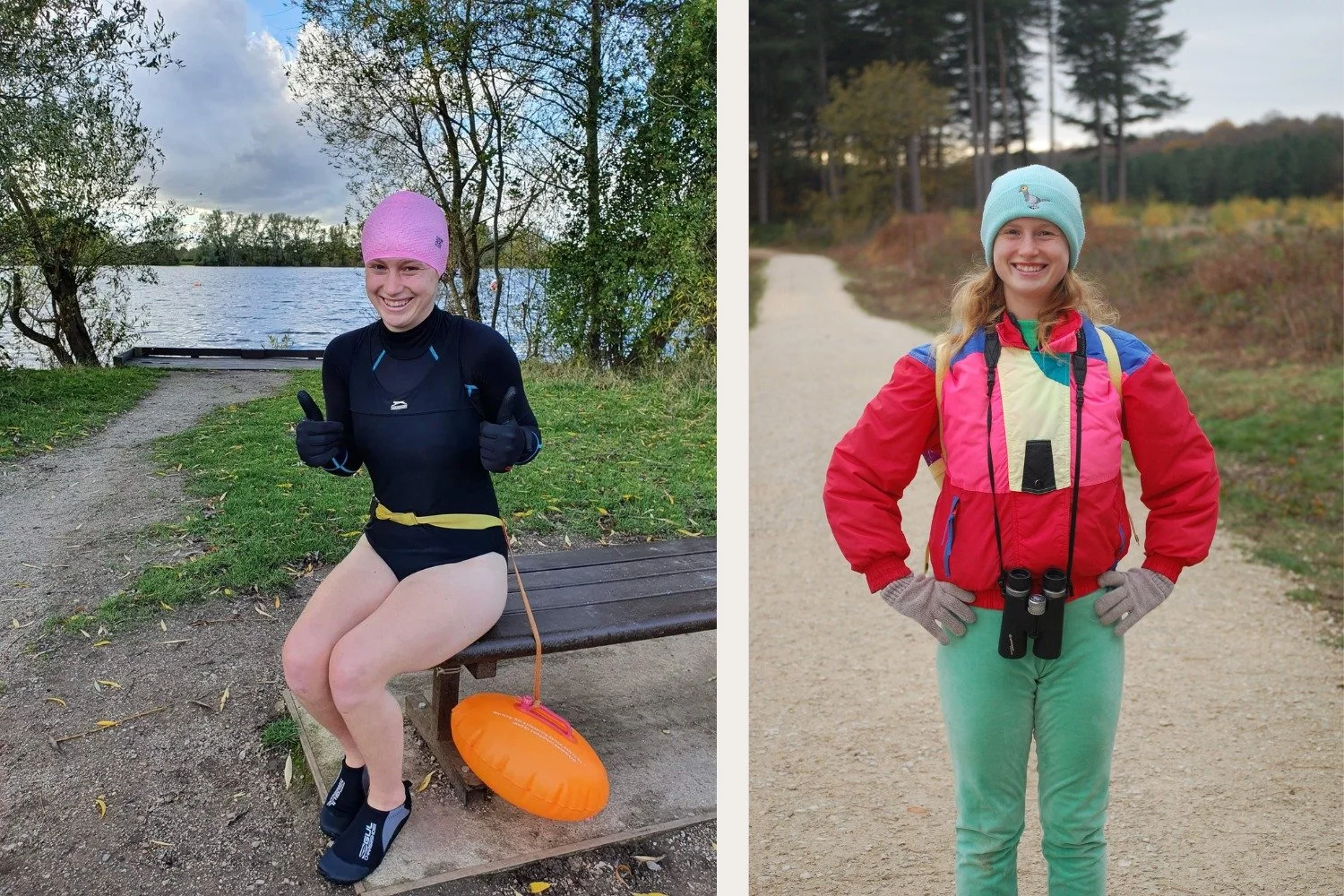
At 23, she started leading outdoor experiences like forest bathing, foraging expeditions and solstice celebrations. Today, at 24, Poppy has turned her passion into purpose with wellbeing-based nature events. Staying true to her values has been a vital part of healing and thriving.
In her free time, Poppy hikes in national parks with friends or her partner. She calls herself “active” but not an “athlete” like she was before CFS. Her true north is enlivening activity in nature, moving her body in a way that feels good, rather than what looks good or performative.
The silver lining of two years of illness: Poppy is now living her “really, really happy, authentic life.”
Recovery with a neurodivergent brain
After her ME/CFS recovery, Poppy later got a diagnosis of autism. She says this brought her clarity and relief. A neurodivergent brain explained why Poppy could feel overwhelmed in situations where other people didn’t. She sees it as another facet of understanding herself better.
Now, she doesn’t try to force herself to fit into situations that don’t suit her. Instead of shaming herself, she uses the same nervous system practices in everyday life.
“I am still regularly using the tools I learnt with you, and love settling into one of your practices whenever I need a bit of extra support, although I am finding this is happening less and less!”
These days, Poppy is passionate about instilling hope that it’s possible to recover from mind-body symptoms—even if you don’t yet know the way. She says to be true to yourself and follow what lights you up.
“Don’t give up hope! I started from rock bottom. It felt like I was in this limbo between life and death… Now, I’m so excited to wake up in the morning. I feel like I’m thriving now rather than just surviving.”
Watch Poppy’s full recovery story here!